
The Role of Luck in Casino Games
Luck is often perceived as a critical factor in determining outcomes in casino games. Most traditional casino games, like slot machines and roulette, rely heavily on chance. For instance, when a player spins a slot machine, the result is determined by a random number generator that leaves little room for skill to influence the outcome. Consequently, players can experience extreme highs and lows purely based on luck, where winning streaks can suddenly shift to losses without any change in strategy, especially when they explore options like visa fast withdrawal casino that enhance their gaming experience. This unpredictability keeps players engaged, as they never quite know when fortune will smile upon them.
Psychologically, luck can play a significant role in motivating players to continue engaging in games of chance. The excitement and thrill of hitting a jackpot or winning a bet can lead many players to believe they are on a ‘lucky streak,’ even when the odds are statistically against them. This phenomenon can create an illusion of control, where players attribute their success to personal skill rather than to the inherently random nature of the games they are playing. As a result, many are drawn into the world of gambling, convinced that fortune will favor them in the future, despite evidence to the contrary.
However, it is essential to understand that luck is not a sustainable strategy for long-term success in the casino. While a player may win in the short term, over time, the house edge ensures that the odds are against them. In this way, luck can create a false sense of security, leading players to believe that they can consistently win, which is rarely the case. Therefore, while luck is an undeniable factor in gambling, it is important to acknowledge its limitations and recognize that relying solely on chance can lead to significant losses.
The Importance of Skill in Strategy Games
In contrast to games of chance, many casino offerings demand a level of skill and strategy. These include games like poker and blackjack, where players can make decisions that significantly impact their outcomes. In poker, for instance, understanding probability and psychology can allow a skilled player to read opponents, bluff effectively, and make calculated bets. This element of skill can lead to sustained success over time, as experienced players tend to outperform inexperienced ones. The difference in outcomes between skilled and unskilled players is often stark, emphasizing the value of honing one’s abilities.
Moreover, strategy in games like blackjack revolves around mastering basic rules and employing techniques such as card counting. While card counting is not foolproof and is often frowned upon by casinos, it does exemplify how skill can provide a strategic edge. Knowledge of game mechanics allows players to make more informed decisions, enhancing their chances of winning against less skilled opponents who rely solely on luck. This strategic approach not only boosts confidence but also can result in a more favorable return on investment over time.
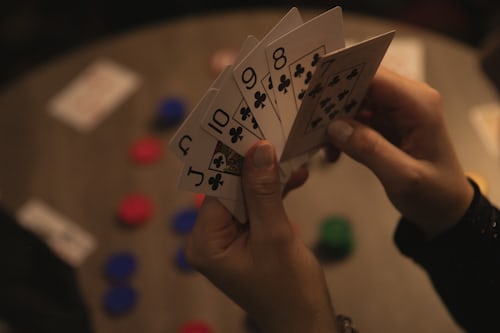
Ultimately, while luck can play a role in the outcomes of these skill-based games, a player’s expertise and strategic thinking can create a significant difference in long-term success. Those who invest time in developing their skills are more likely to experience consistent winnings, thereby showcasing the importance of skill in balancing the scales against the element of luck. Understanding game dynamics and employing a strategic mindset can lead to a more rewarding gaming experience.
The Balance Between Luck and Skill
In the realm of casino gaming, the interplay between luck and skill creates a dynamic environment that attracts a wide variety of players. While the house edge favors the casino, skilled players can leverage their understanding of game mechanics to tilt the odds slightly in their favor. This balance shows that while luck is an unpredictable force, the application of skill can mitigate some of the randomness inherent in casino play. Players who understand this balance are more likely to approach gaming with realistic expectations and a strategic mindset.
This balance is evident in tournaments and competitive gaming scenarios, where skilled players often emerge victorious despite the luck component. For example, in poker tournaments, the blend of skillful play and the randomness of card draws can lead to dramatic fluctuations in fortunes among competitors. Over an extended period, skilled players tend to amass more chips and victories, proving that skill can indeed make a difference, even when luck is a fundamental aspect. The nuances of strategy become particularly evident in such settings, highlighting how expertise can shine through amidst the chaos of chance.
Furthermore, the understanding of variance is crucial in this context. While luck may govern short-term outcomes, skillful play can minimize losses during streaks of bad luck and maximize wins during fortunate runs. This concept of variance illustrates how a long-term strategy that incorporates both aspects can lead to more sustainable success in the casino environment. Players who recognize this intricate relationship often achieve better results than those who rely solely on instinct or sheer luck, demonstrating the importance of a balanced approach to gaming.
The Psychological Effects of Luck and Skill
The psychological impact of luck and skill in casino success can profoundly affect players’ behaviors and perceptions. Many individuals typically experience a “gambler’s fallacy,” believing that past outcomes influence future results. This cognitive bias can lead players to make poor decisions based on an assumption that they are due for a win after a series of losses, showcasing how luck creates an emotional rollercoaster within the casino experience. The highs of winning can lead to euphoria, while the lows of losing can result in frustration and despair, creating a volatile emotional landscape.

Conversely, players who rely on skill often exhibit more disciplined behavior as they understand the odds and maintain a calm, analytical approach to gaming. These individuals are less likely to be swayed by the whims of luck and tend to employ strategies that manage their bankroll effectively. This contrast highlights how a strong foundation in skill can help mitigate the frustration often associated with the unpredictability of luck in gambling. By remaining composed and focused, skilled players can navigate the ups and downs of gaming with greater resilience.
Furthermore, the psychological manifestations of success and failure in gambling can lead to addiction. Individuals who experience a disproportionate amount of success due to luck may develop an unhealthy desire to chase that feeling, leading them to pursue risks they otherwise wouldn’t take. In contrast, skilled players may have a more balanced view of losses and wins, enabling them to enjoy gaming without succumbing to the same level of obsession. Understanding these psychological factors is essential for fostering a healthy approach to gambling, where both luck and skill can be acknowledged and respected in moderation.
Your Gaming Experience Starts Here
Whether you’re drawn to the thrill of spinning the reels or the strategic depth of table games, cultivating an understanding of both luck and skill can provide a more rewarding gaming experience. It’s important to recognize the role that each aspect plays in your success at the casino. By honing your skills and acknowledging the unpredictable nature of luck, you can engage with gaming in a more informed and enjoyable manner. This balanced perspective can enhance not only your enjoyment but also your chances of success in the long run.
Moreover, as you refine your strategies and develop your understanding of various games, remember that a positive mindset and careful bankroll management are just as important as the skills you acquire. By combining knowledge with responsible gaming practices, you can enhance your chances of success while minimizing risks associated with gambling. A well-rounded approach that incorporates both skill and an appreciation for luck can lead to a more fulfilling gaming experience.
Ultimately, the interplay of luck and skill defines the casino experience. Embracing this balance enables you to navigate the world of gaming with confidence while elevating your overall enjoyment. As you embark on your gaming journey, leverage your skills wisely and remember to enjoy the excitement that luck brings to the table. Your approach to gaming can set the stage for memorable experiences and potentially rewarding outcomes, making your time spent at the casino all the more worthwhile.
